

Uncategorized
Epinephrine vs Adrenaline
Jul
Epinephrine vs Adrenaline: Are They the Same? Uses, Differences & Facts
Epinephrine vs Adrenaline
If you have ever watched a medical show, studied biology, or felt a sudden burst of energy during a stressful moment, you have probably heard both terms: epinephrine and adrenaline. But what exactly is the connection between them? Are they two different substances, or just two names for one thing?
In this detailed, easy‑to‑understand guide, we break down Epinephrine vs Adrenaline — their history, chemistry, natural role in the body, medical applications, and why the two names exist. Whether you are a student, a patient, or just curious, this article will give you clear, accurate answers.
Epinephrine vs Adrenaline: Are They Actually Different?
Let’s start with the most important fact: Epinephrine and Adrenaline are 100% chemically and biologically identical. There is no difference in their structure, strength, or effect. The only distinction comes from language, history, and regional naming rules.
Why Two Different Names?
The difference began over a century ago, and it comes down to roots and trademarks:
- Adrenaline: This name comes from Latin — ad meaning “near” and renes meaning “kidneys.” It describes where the hormone is made: the adrenal glands, which sit right above each kidney. This term became common in the UK, Europe, Australia, and most English‑speaking countries outside North America.
- Epinephrine: This name comes from Greek — epi meaning “upon” and nephros meaning “kidney.” It means exactly the same thing. In 1901, a pharmaceutical company trademarked the name “Adrenalin.” To avoid legal conflicts, the United States Pharmacopeia and American medical associations adopted epinephrine as the official generic name.
So, Epinephrine = Adrenaline — same molecule, different labels.
What Is Epinephrine / Adrenaline Exactly?
Epinephrine vs Adrenaline refers to a substance that acts both as a natural hormone produced inside your body and as a life‑saving medication used in hospitals and emergency kits.
Natural Production & Biological Role
- Where it comes from: Produced in the adrenal medulla, the inner part of your adrenal glands. Small amounts also work as chemical messengers in your nervous system.
- Main function: It is the body’s primary “stress hormone” and the main driver of the fight‑or‑flight response. When you face danger, fear, excitement, or physical exertion, your brain signals the adrenal glands to release it.
Once released, it causes these changes:
Increases heart rate and blood pressure to pump more oxygen
Opens up airways so you can breathe deeper and faster
Redirects blood flow away from digestion and toward muscles and the brain
Raises blood sugar levels to give you instant energy
Sharpens focus, reaction time, and awareness
Source: Cleveland Clinic — Epinephrine (Adrenaline)
Epinephrine vs Adrenaline in Medicine
In medical settings, epinephrine is the official term used in the United States, Canada, and many international pharmacopeias. However, doctors and nurses in the UK, EU, and other regions still commonly say adrenaline.
How It Is Used as Medicine
Synthetic epinephrine is manufactured in labs to be identical to natural adrenaline. It is one of the most important emergency medications available:
- Treatment of Anaphylaxis: This is its most famous use. Severe allergic reactions to food, insect stings, or medicine can cause swelling of the throat and a dangerous drop in blood pressure. Epinephrine reverses these effects in minutes.
- Cardiac Arrest: Used during CPR to stimulate the heart and restore blood circulation.
- Severe Asthma Attacks: Relaxes tight airways when other treatments do not work.
- Shock and Low Blood Pressure: Helps raise blood pressure in life‑threatening situations.
- Combined with Local Anesthetics: Dentists and surgeons add it to numbing medicine to make it last longer and reduce bleeding.
Source: NCBI StatPearls — Epinephrine Pharmacology
Chemical & Technical Comparison
To make the difference even clearer, here is a direct comparison between the two names:
Table
| Feature | Epinephrine | Adrenaline |
|---|---|---|
| Chemical Formula | C₉H₁₃NO₃ | C₉H₁₃NO₃ |
| Molecular Structure | Identical | Identical |
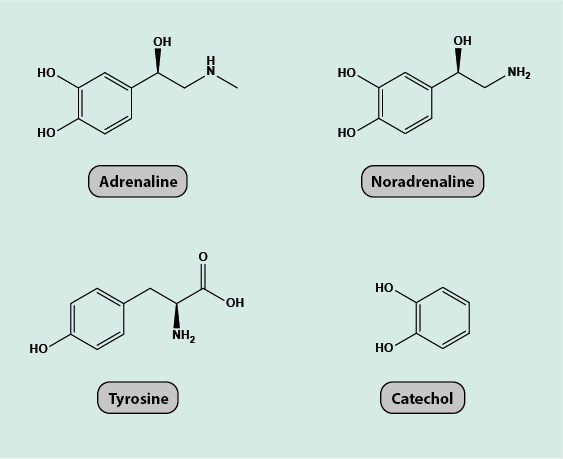
| Type | Catecholamine hormone / drug | Same |
| Official Naming | USAN / INN: Epinephrine | BAN: Adrenaline |
| Geographic Use | USA, North America, official global drug lists | UK, Europe, Asia, common speech |
| Mechanism of Action | Activates alpha and beta adrenergic receptors | Same |
| Effects | Same physiological response | Same |
Source: World Health Organization — International Nonproprietary Names
Side Effects & Safety Information
Since they are the same substance, side effects and safety rules are identical whether you call it epinephrine or adrenaline.
Common Temporary Effects
When released naturally or given as a standard dose, you may feel:
- Fast heartbeat or palpitations
- Shaking, sweating, or feeling nervous
- Headache or dizziness
- Nausea or dry mouth
These usually pass quickly once levels return to normal.
Important Safety Notes
- Prescription only: In most countries, injectable epinephrine is regulated and requires a doctor’s prescription.
- Correct dosage: Too much can cause high blood pressure, irregular heartbeat, or chest pain.
- Proper storage: Auto‑injectors must be kept at room temperature and replaced before their expiration date.
- Not for recreational use: Misuse can lead to serious heart problems, stroke, or death.
Source: U.S. Food and Drug Administration — Epinephrine Injection
Why Trust Expressk2.com for This Information?
When looking for reliable health and medical content, you need sources you can trust. At Expressk2.com, we follow strict standards to ensure you get accurate, safe, and useful information.
Evidence‑Based Content: We only use data from top health organizations — WHO, FDA, NCBI, and major medical institutions — to avoid misinformation.
Clear & Simple Language: We explain complex topics like Epinephrine vs Adrenaline without confusing medical jargon, so everyone can understand.
Responsible Guidance: We do not promote misuse or illegal purchase. We focus on education, safety, and legal use.
Secure & Reliable Platform: Our website follows strict privacy rules and security protocols to protect your data.
Updated Regularly: We review our content to keep it aligned with the latest medical guidelines and regulations.
Frequently Asked Questions
1. Is epinephrine stronger than adrenaline?
No. They are the exact same molecule. There is no difference in strength, speed of action, or how long they work. The name only changes based on location and industry standards.
2. Why do doctors use the word epinephrine instead of adrenaline?
In the United States and official medical research, epinephrine is the standard generic name. This avoids old trademark issues and ensures consistency across prescriptions, labels, and scientific studies.
3. Can I use the two names interchangeably?
Yes. In conversation, you can say either. When reading a medication label or speaking to a pharmacist, just use the name printed on the package — both mean the same thing.
4. Is an EpiPen adrenaline or epinephrine?
Both. The active ingredient inside an EpiPen is epinephrine, which is the medical term for adrenaline. It works exactly the same way as natural adrenaline.
5. Does the body produce epinephrine or adrenaline?
Both. Your adrenal glands produce one substance. You can call it adrenaline or epinephrine — the chemical structure does not change depending on the name.
6. Are there different forms of epinephrine vs adrenaline?
No. Natural production creates the same compound. Synthetic versions are chemically identical to the body’s own hormone.
- Wikipedia: https://en.wikipedia.org/wiki/Adrenaline
- Cleveland Clinic: https://my.clevelandclinic.org/health/articles/22611-epinephrine-adrenaline
- NCBI Bookshelf: https://www.ncbi.nlm.nih.gov/books/NBK482160/
- WHO Essential Medicines List: https://list.essentialmeds.org/
- FDA: https://www.fda.gov/drugs/epinephrine-injection
json
{
  "@context": "https://schema.org",
  "@type": "Article",
  "headline": "Epinephrine vs Adrenaline: Are They the Same? Uses, Differences & Facts",
  "author": {
    "@type": "Organization",
    "name": "Expressk2.com",
    "url": "https://expressk2.com/"
  },
  "publisher": {
    "@type": "Organization",
    "name": "Expressk2.com",
    "logo": {
      "@type": "ImageObject",
      "url": "https://expressk2.com/logo.png"
    }
  },
  "datePublished": "2026-07-05",
  "dateModified": "2026-07-05",
  "description": "Is epinephrine the same as adrenaline? Learn the truth about their names, chemistry, natural function, medical uses, and safety.",
  "keywords": "Epinephrine vs Adrenaline, difference between epinephrine and adrenaline, epinephrine uses",
  "mainEntityOfPage": {
    "@type": "WebPage",
    "@id": "https://expressk2.com/blog/epinephrine-vs-adrenaline"
  },
  "articleBody": "Epinephrine and Adrenaline are chemically identical. The difference lies only in naming conventions. This guide explains their natural role, medical uses, and safety information."
}
Final Words
At the end of the day, Epinephrine vs Adrenaline is not a choice between two different substances — it is simply a lesson in terminology. Whether it is released naturally when you are stressed or injected in an emergency, it is the same powerful hormone.
Understanding this difference helps you follow medical advice, use medications correctly, and feel confident about what you are reading or hearing.
For more clear, accurate, and responsible health information, visit https://expressk2.com/ — your trusted source for reliable content.
