

K2 Spice
K2 Spice vs K2 Powder: Differences, History, Regulations & Safety Information
Jun
K2 Spice vs K2 Powder: Understanding the Differences, Terminology, History, and Safety Information
K2 Spice vs K2 Powder
Understanding the difference between K2 Spice and K2 Powder requires looking beyond the names and examining their history, physical forms, chemical classifications, legal status, and safety considerations.
This guide explains the differences between these terms, why confusion exists, and what consumers should understand about synthetic cannabinoid terminology.
What Is K2 Spice?
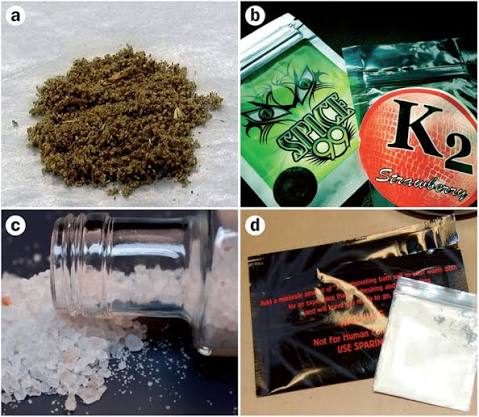
K2 Spice is a term historically associated with synthetic cannabinoid products. The name became widely recognized as a label for products marketed as herbal incense or aromatic blends.
Unlike naturally occurring cannabis compounds, synthetic cannabinoids are laboratory-created chemicals designed to interact with cannabinoid receptors in the body.
The term “Spice” originally became associated with certain branded products, but over time it became a general term used in discussions about synthetic cannabinoid products.
Common Characteristics of K2 Spice Terminology
The term may refer to:
- Herbal incense products
- Synthetic cannabinoid-related products
- Branded blends
- Historical street terminology
- Media and public health references
Because product names and formulations have changed over time, the label alone does not identify a specific chemical composition.
What Is K2 Powder?
K2 Powder is a term sometimes used to describe a powdered form associated with K2-related products or chemical materials.
Unlike “Spice,” which often refers to a broader product category or brand terminology, “powder” generally describes a physical form.
The term may create confusion because different materials can be described using similar names.
Characteristics of Powder Terminology
A powder description usually refers to:
- Physical appearance
- Material consistency
- Product format
- Laboratory or manufacturing terminology
The name itself does not confirm chemical identity, ingredients, or safety profile.
K2 Spice vs K2 Powder: Main Differences
| Feature | K2 Spice | K2 Powder |
|---|---|---|
| Meaning | Broad term linked to synthetic cannabinoid-related products | Usually describes a powdered format |
| Form | Often associated with herbal or plant-like material | Powder or fine material |
| Naming History | Became popular through branded products | More commonly describes physical form |
| Chemical Identity | Not determined by the name alone | Not determined by the name alone |
| Regulation | Depends on specific compounds and location | Depends on specific compounds and location |
Why Do These Terms Cause Confusion?
A major reason for confusion is that product names are not always reliable indicators of chemical composition.
Several factors contribute to this:
Changing Formulations
Some products associated with these names have changed over time.
A product name may remain the same while the actual contents differ.
Marketing Terminology
Names such as K2, Spice, and similar labels have sometimes been used as branding terms rather than scientific classifications.
Different Regional Laws
Regulations vary between countries and even between states or provinces.
A product category that is treated one way in one location may be regulated differently elsewhere.
Understanding Synthetic Cannabinoids
Synthetic cannabinoids are a group of laboratory-created compounds studied for their interaction with cannabinoid receptors.
Researchers study these compounds to understand:
- Receptor activity
- Chemical structures
- Biological interactions
- Pharmacological effects
However, some synthetic cannabinoid products associated with consumer markets have raised public health concerns because of unpredictable composition and limited information about certain compounds.
Chemical Classification vs Product Names
One of the most important concepts is that:
A product name is not the same as a chemical classification.
For example:
- “K2”
- “Spice”
- “Powder”
- “Herbal incense”
are names or descriptions, not precise scientific definitions.
Scientific classification depends on:
- Molecular structure
- Chemical properties
- Laboratory analysis
- Regulatory classification
Legal Considerations
The legal status of synthetic cannabinoid-related compounds varies worldwide.
Regulations may address:
- Specific chemical compounds
- Manufacturing
- Possession
- Distribution
- Importation
- Research activities
Government agencies continue updating regulations as new compounds appear.
People researching these topics should always consult current legal information from official sources in their region.
Safety Considerations
A major concern with some synthetic cannabinoid-related products is uncertainty.
Important factors include:
- Unknown ingredients
- Limited research data
- Differences between batches
- Potential contamination
- Changing formulations
Accurate identification and scientific testing are important when evaluating any chemical material.
K2 Spice and K2 Powder in Popular Culture
The terms K2 and Spice became widely discussed through:
- News coverage
- Public health reports
- Regulatory discussions
- Online communities
Their popularity led to widespread misunderstanding because many people assumed the names referred to consistent products.
In reality, the terminology has been use in many different ways over time.
Frequently Asked Questions
Are K2 Spice and K2 Powder the same thing?
No. They are different terms. K2 Spice usually refers to a broader synthetic cannabinoid-related category, while K2 Powder generally describes a physical form.
Does the name K2 identify a specific chemical?
No. Product names do not necessarily identify chemical composition.
Why are synthetic cannabinoids regulated?
Many synthetic cannabinoid compounds have been regulated because of concerns about unpredictable effects, public health risks, and changing chemical structures.
Are all products called K2 identical?
No. Products using similar names may differ significantly depending on source, region, and time period.
Why is chemical testing important?
Laboratory testing helps identify substances and provides more accurate information than product names alone.
Conclusion
K2 Spice and K2 Powder are terms that are often confuse, but they describe different concepts. K2 Spice is historically associated with synthetic cannabinoid-related products, while K2 Powder generally refers to a powder format.
The most important point is that names alone do not determine chemical identity, safety, or legal status. Understanding scientific classification, regulatory information, and reliable sources is essential when researching these topics.
As chemical markets and regulations continue to evolve, accurate education remains the best tool for understanding emerging substances and terminology.
K2 Spice vs K2 Powder, K2 Spice, K2 Powder, synthetic cannabinoids, synthetic cannabinoid information, herbal incense history, K2 terminology, Spice terminology, cannabinoid research, chemical classification, research chemicals, laboratory compounds, emerging substances, chemical safety, regulatory information, drug policy research, cannabinoid receptors, scientific research, public health information, substance awareness, chemical education, analytical chemistry, pharmacology research, neuroscience research, legal status information, synthetic compounds, laboratory analysis, chemical identification, safety awareness, educational guide, K2 history, Spice history, cannabinoid science, chemical regulations, scientific compounds, research materials, toxicology research, analytical standards, chemistry education, substance classification, consumer awareness guide.
